Powertrain & Environmental Impact: Electric vs. Diesel
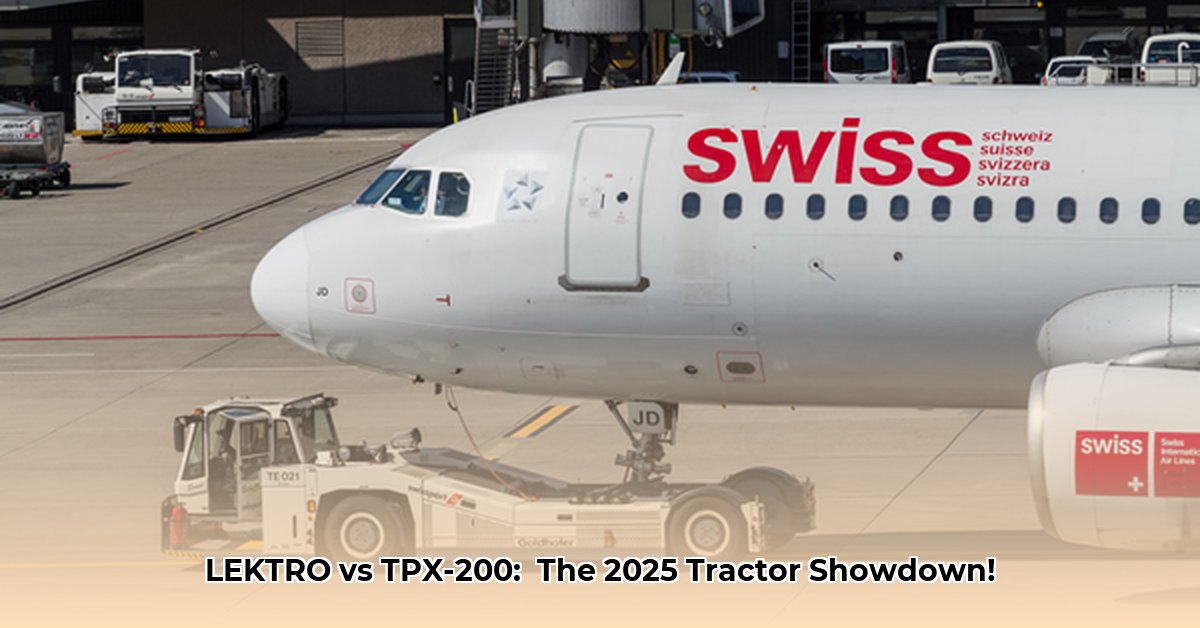
The Oshkosh LEKTRO and Aero Specialties TLD TPX-200 represent divergent approaches to pushback tractor technology. The LEKTRO offers either a fully electric or hybrid powertrain, eliminating or significantly reducing tailpipe emissions. This makes it a compelling choice for airports prioritizing sustainability initiatives. How significant is the environmental benefit? The all-electric version dramatically reduces your carbon footprint, a major advantage in today's environmentally conscious aviation industry. Is this enough to outweigh other factors? The TPX-200, utilizing a diesel engine compliant with Stage 4/Tier 4 Final emission standards, offers reduced emissions compared to older models but remains a source of greenhouse gases. The LEKTRO's electric powertrain clearly wins on environmental grounds, but the TPX-200's diesel engine may offer advantages in terms of operating range and power output, depending on specific operational demands. For more tractor comparisons, see this helpful chart.
Towing Capacity & Aircraft Compatibility: Matching Power to Payload
Towing capacity is paramount. The Aero Specialties TLD TPX-200 boasts a superior maximum towing capacity of up to 250 tons, making it ideal for handling the largest aircraft. The Oshkosh LEKTRO, while highly capable, supports aircraft up to the size of a Boeing 757. This difference is critical: The TPX-200 is the clear winner for airports regularly handling very large aircraft. However, the LEKTRO offers greater versatility for a range of aircraft.
Operational Efficiency & User-Friendliness: Ease of Use and Maintenance
Both tractors prioritize ease of use with single-person operation. The LEKTRO is renowned for its intuitive controls and low maintenance requirements, potentially minimizing operational costs over time. Its straightforward design also reduces operator training needs. The TPX-200, while user-friendly, emphasizes safety features such as overtorque protection and emergency braking systems which can minimize downtime. Its 2WS, 2WD configuration is designed for operational efficiency. While the LEKTRO might offer a slightly simpler learning curve, the TPX-200's safety features aim to prevent operational disruptions.
Safety Features & Accident Prevention: Prioritizing Operator Well-being
Both tractors incorporate comprehensive safety systems. The TPX-200 features overtorque protection and emergency braking, offering robust safety backups. The LEKTRO, through its design and maneuverability, aims to minimize the likelihood of collisions. Both prioritize operator safety, but through different means.
Cost Analysis: Initial Investment vs. Total Cost of Ownership (TCO)
While the TPX-200 likely commands a higher initial purchase price, a complete TCO analysis is necessary. Fuel costs for the diesel TPX-200 will fluctuate, while the LEKTRO's electricity costs are more predictable, though still subject to regional variations. Maintenance costs for the LEKTRO may be lower due to fewer moving parts in the electric drivetrain, but battery replacement represents a substantial future expense. A detailed cost analysis considering fuel, electricity, maintenance, and potential environmental penalties is essential for informed decision-making. Without exhaustive data, a definitive statement on TCO superiority remains elusive.
Key Specifications Comparison: A Concise Overview
| Feature | Oshkosh LEKTRO | Aero Specialties TLD TPX-200 |
|---|---|---|
| Power Source | All-electric or Hybrid | Diesel |
| Towing Capacity | Up to B757 | Up to 250 tons |
| Emissions | Zero (electric), Reduced (hybrid) | Higher |
| Initial Cost | Potentially Lower | Potentially Higher |
| Maintenance | Likely Lower | Moderate |
| Ease of Operation | High | High |
Conclusion: Tailoring the Choice to Your Airport's Needs
The choice between the Oshkosh LEKTRO and Aero Specialties TLD TPX-200 hinges on your airport's specific requirements. Prioritize your needs – sustainability, towing capacity, budget, and long-term operational costs – when evaluating these tractors. Ongoing technological advancements will continue to shape this market in the future. This comparison provides a framework for informed decision-making, but thorough due diligence is essential.